
Growth is cooling, prices are stubborn, and the Fed just spent a meeting arguing with itself. Here's what this confusing economy means for your money and what to do this week.
August 2, 2026 · 6 min read
Here’s the weird spot the U.S. economy is in right now: growth is cooling, prices are still stubborn, and the Federal Reserve just spent a meeting arguing with itself. If that combo makes your head spin, you’re not alone. Let me walk you through what actually happened this week and what it means for your money.
This week we learned the U.S. economy grew at a 1.5% annual rate in the second quarter, which came in below what economists expected. That number is called GDP, basically the total value of everything the country produced, and 1.5% is the kind of pace that says “still moving, just not sprinting.”
The miss mostly came from a drop in federal government spending and businesses drawing down inventories, not from you and me suddenly slamming our wallets shut. So it’s a softer economy, not a falling-off-a-cliff one. Worth knowing the difference before anyone tries to sell you a panic story.
Now the frustrating part. Core inflation, which strips out food and energy to show the underlying trend in prices, sat at 3.3% in June. Regular inflation, measured by the consumer price index, ran 3.5% over the past year, though that actually came in lower than the 3.8% forecasters braced for, mostly because energy prices eased.
The Fed’s comfort zone is 2%. So we’re still meaningfully above it. Translation: your grocery bill, your rent, your insurance renewal are all still climbing, just a little slower than the scary months. Prices going up more slowly is not the same as prices coming down, and that gap is where a lot of us feel quietly stretched.
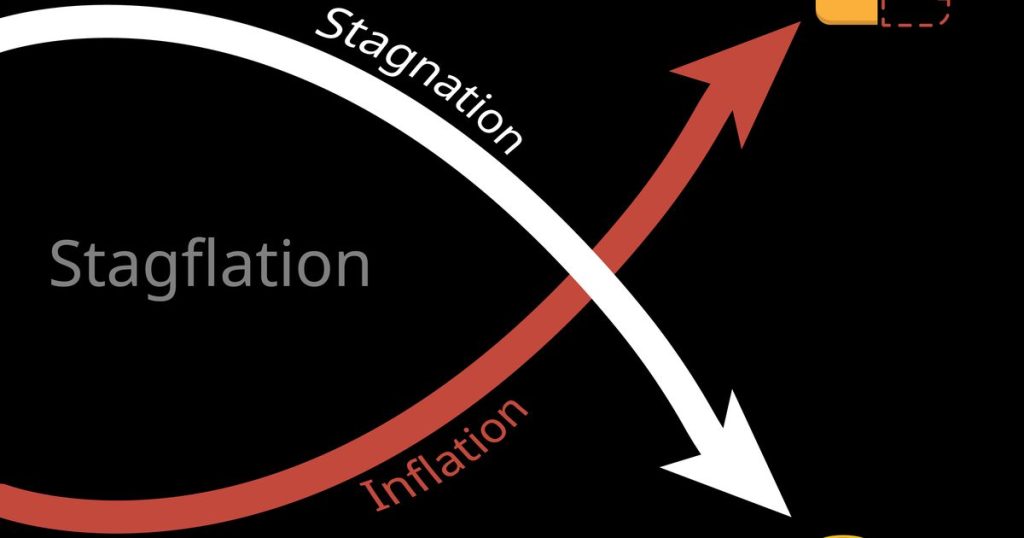
Normally these two things move together. When the economy cools, prices usually calm down too, because people buy less. When both slow growth and stubborn inflation show up at the same time, the Fed is stuck. Cut interest rates to help the economy, and you risk pouring fuel on inflation. Raise rates to fight inflation, and you risk squeezing an already-tired economy.
That tension is exactly why this week’s Fed meeting got so interesting.
Wall Street’s read on this week’s decision was blunt: the Fed is split, and a rate increase is a real possibility down the road. That’s a notable shift. For most of the past year the conversation was about when cuts would come. Now some policymakers are talking about hikes instead.
Interest rates are basically the price of borrowing money. When they go up, your credit card, car loan, and any new mortgage get more expensive, while high-yield savings accounts and CDs tend to pay you a bit more. So the direction the Fed leans touches almost every corner of your financial life, whether you’re borrowing or saving.
Here’s the signal I’d keep an eye on. Hiring has clearly cooled: employers added just 57,000 jobs in June, well short of the 115,000 expected, and the unemployment rate sits at 4.2%. On top of that, the share of adults working or looking for work fell to its lowest in 50 years outside the pandemic era.
A softer job market matters more to your day-to-day than any single Fed headline, because it shapes raises, job security, and how easy it is to switch roles. It’s not flashing red, but it’s the dashboard light I’d watch closest over the next few months.
If a friend called me stressed about all this, I’d tell them to zoom out. You can’t control the Fed, GDP, or the price of eggs. What you can control is your own buffer: how much cash you’ve got set aside, how much high-interest debt you’re carrying, and whether your income has a backup plan. Sort those three out and most economic headlines become interesting news instead of personal emergencies.
Confusing economies reward the people who stay steady, and steady is very doable. Sort your buffer, watch the job market, and check back with me next week.
© 2026 Finistack LLC. All rights reserved.