
Headline inflation cooled to 3.5% in June, but streaming, consoles, and your electric bill kept climbing. Here's where the money leaks and how to plug it this week.
July 26, 2026 · 5 min read
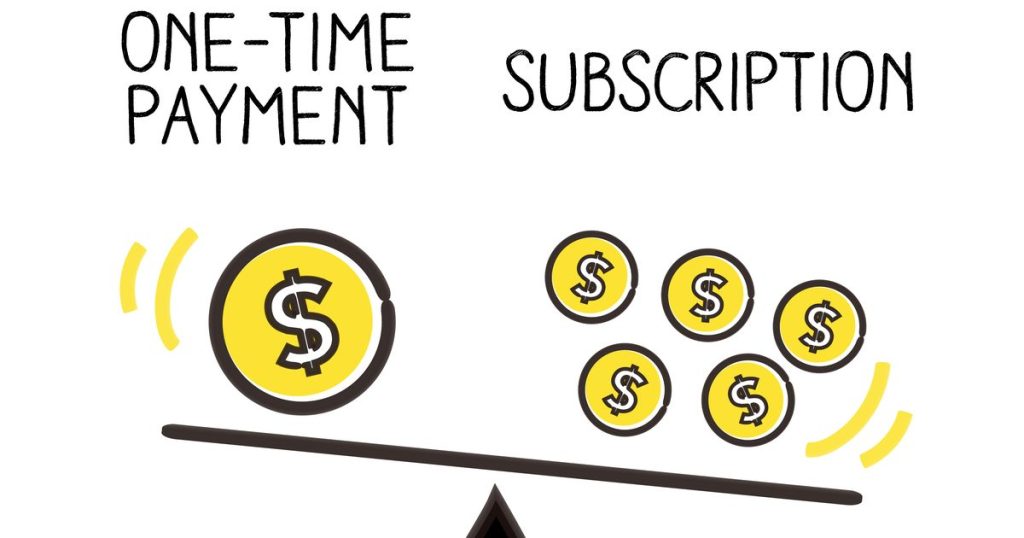
Staying home used to be the budget move, right? Cancel the plans, order nothing, press play on something you already pay for. Well, I have some slightly annoying news: the couch got expensive too. Streaming plans, game consoles, even your electric bill have all crept up, and this week’s data shows exactly where the money’s leaking.
Let me start with a genuine bright spot. Consumer prices in June rose 3.5% from a year ago, down from 4.2% in May and lower than the 3.8% economists expected. That’s the annual inflation rate, basically how much more the average basket of stuff costs compared to last year. The monthly number actually fell 0.4%, the biggest one-month drop since April 2020, mostly because energy prices tumbled and gas fell more than 9% for the month.
Core inflation, which strips out food and energy because those two bounce around a lot, was flat on the month and sits at 2.6% for the year. So the broad picture is cooling. But averages hide things, and one category has been quietly climbing while the headline number relaxes.
Here’s the trend economists are actually talking about. “Streamflation” is the nickname for streaming services raising subscription prices, and it’s been busy. Netflix, Amazon Prime Video, and Spotify all hiked prices earlier this year, following Disney+ and HBO Max in late 2025. Apple raised TV+ pricing in mid-2025, its third increase in three years.
The government’s data backs up the sting. The Bureau of Labor Statistics says the price of subscribing to or renting videos and video games has jumped 53% since the start of 2019. TV services are up 27%, music subscriptions up 14%. “Funflation is back in 2026,” said Brian LeBlanc, senior economist at PNC, and he noted it’s now spreading from concerts and travel into plain old home leisure.
It’s not just subscriptions. Microsoft’s Xbox and Apple both announced device price hikes in late June, and Nintendo raised the Switch 2 price in the U.S. by 11%. The culprit is a shortage of memory chips, driven by the AI boom gobbling up supply. Xbox’s CEO said plainly that gaming is becoming unaffordable. For years gadgets got cheaper over time; that trend is now running backward.
And powering all that home entertainment costs more. Electricity prices are up 45% since 2019, according to government data. So the “I’ll just stay in” plan quietly runs the AC, charges the console, and streams three services at once, and each of those meters is ticking a little faster than it used to.
PNC’s data found that Gen Z and Millennial shoppers each cut their home-entertainment transactions by about 4% in June compared with a year ago. Translation: people are already pulling back, not because they suddenly stopped liking movies, but because the math stopped working. Consumer sentiment, a survey of how people feel about their finances, recently hit record lows on the University of Michigan’s index, so this pinch is landing on nerves that are already frayed.
If a friend told me their subscriptions were creeping up on them, I wouldn’t tell them to cancel everything and live in a cave. I’d say pick the one or two you actually use every week and let the rest go for now. One person I read about keeps a strict rule: never more than one streaming service at a time. She rotates, binges what she wants, cancels, and moves on. It’s a little less convenient and a lot cheaper, and honestly the shows will still be there when you circle back.
Inflation is cooling on paper, and that’s real progress worth noticing. But the fun budget is where the sneaky increases hide, so a quick check this week keeps more of your money pointed at the stuff you actually love.
© 2026 Finistack LLC. All rights reserved.