
Why the U.S. Job Market Feels More Uncertain — And What It Means for You
What today’s shifting job market signals — and how to protect your income, career, and future
Yuna Kim
12/6/20253 min read
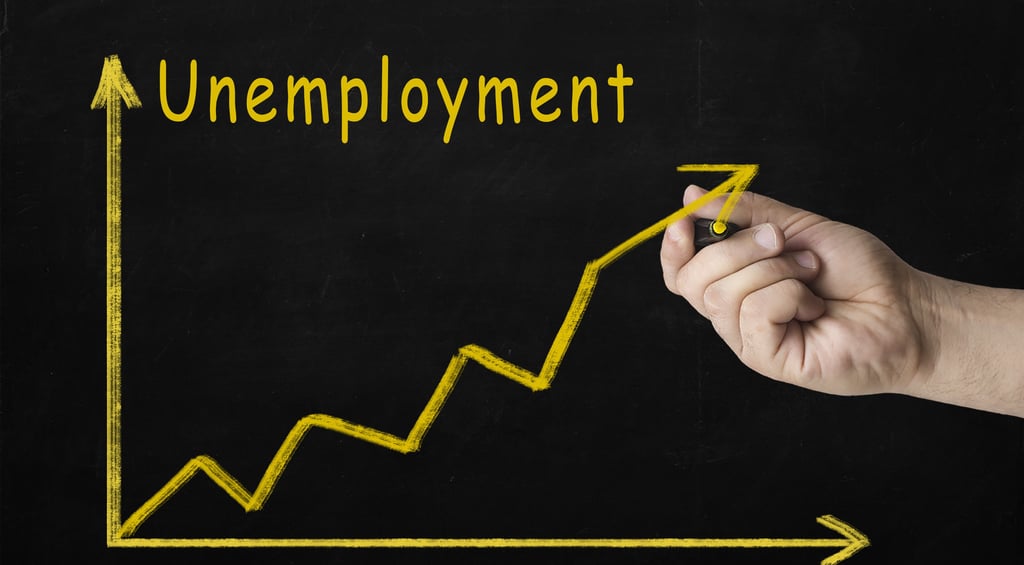
The job market in the United States isn’t what it used to be — and that matters for each of us. After the boom years following the pandemic, 2025 has brought signs of cooling. For instance, earlier this year, the economy added 228,000 jobs in March, which looked good on the surface (JPMorgan Chase). But in September, new job additions dipped to 119,000 — a far cry from 2021–2022 levels (Robert Half)
Moreover, a big reminder came in mid-2025: the official jobs data was corrected to show that the U.S. added 911,000 fewer jobs over the prior 12-month period than initially reported (The Guardian). That kind of revision pulls back the curtain on how much economic fragility is hidden beneath headline numbers.
Other signals are sobering too: labor-market tightness — once a hallmark of post-pandemic hiring — has loosened. The number of job vacancies per unemployed person in late 2024 fell below the pre-COVID ratio (OECD). Meanwhile, GDP growth is projected to slow from 2.8% in 2024 to about 1.6% in 2025, according to economic forecasts.
All these data points might sound like macroeconomic fearmongering. But for many Americans — from fresh graduates to mid-career professionals — this shift is about real consequences: slower hiring, potential layoffs, tighter wage growth, and increased competition for fewer jobs.
How to Stay Vigilant: What You Can Do Right Now
Monitor the Trends — But Understand Their Limitations
Don’t just glance at the “total jobs added” headlines. Watch monthly job-growth numbers, but also pay attention when data is revised — like that 911,000-job downward adjustment earlier this year. That’s a reminder that job markets don’t always behave cleanly.
Also note industry-level changes: some sectors (like healthcare and social assistance) still add jobs — even when overall growth is weak. That suggests stability may come not from “hot sectors” but from demand areas that are more recession-resistant.
Build a Financial Buffer — Before You Need It
Economic slowdowns or job cuts may not even come with a warning. Having 3–6 months (or more) of expenses saved — an emergency fund — isn’t just nice to have. It’s protection. If hiring slows or layoffs hit your industry, that buffer buys breathing room while you re-skill, search, or pivot.
Invest in Your Flexibility and Skills
With markets changing, industries evolving, and job security less certain, your career agility becomes a key asset — not a nice-to-have. Consider upskilling in areas with growing demand (like healthcare, skilled trades, digital services). The fact that projections through 2034 expect strong growth in healthcare and social services jobs gives this strategy weight (bls.gov).
Also, think about side income streams, freelancing, or flexible work that gives you additional resilience. If your main job slows down, a diversified income stream offers a cushion.
Adjust Spending Habits and Financial Expectations
When the labor market softens, wage growth often steals a winter coat. Real wages — after inflation — may stagnate even if paychecks increase nominally. That means it’s wise to avoid locking in big recurring expenses (e.g. luxury subscriptions, expensive leases, or high debt payments) unless you have stable financial backing.
Think Long-Term: Adapting to the New Economic Rules
A cooling job market doesn’t have to mean personal financial decline, if you adapt. Here’s a mindset shift many overlook: Treat economic downturns not as emergencies, but as signals to re-evaluate, re-plan, and re-position yourself.
Maybe that means investing in stable sectors, reskilling for demand-driven jobs, maintaining diversified income streams, or simply staying cautious with spending. Maybe it means playing defense now so you’re ready to go on offense later.
The economy is always shifting; the winners are those who stay alert, stay flexible — and treat personal finance as more than just “saving and spending,” but as a strategy for resilience.
✅ Final Thought: Stay Adaptive, Not Anxious
Yes — 2025’s U.S. job market is sending warning signs. Hiring is slower, data is more volatile, and economic growth is expected to soften. But if you stay vigilant, build a financial safety net, invest in flexibility, and adapt your spending and life plans accordingly, you don’t have to ride the wave — you can surf it.
Because in a world where jobs and markets shift fast, your best asset is your readiness to adapt.
Disclaimer: This blog may include AI-generated content derived from web crawling, and it features quotes from original-cited inline or public sources. The information presented is for general informational purposes only and may not reflect the most current data or information available. While we strive for accuracy, we encourage readers to verify the information from original sources or reach out to a certified financial adviser for important financial decisions.
Follow Finistack on social media
Have abundant mindset, add value to this beautiful world, and enjoy your life the way you envision.
We move fast, so things aren’t always perfect. Help us level up — Share your feedback.
© 2026 Finistack LLC. All rights reserved.
Terms of Use
Privacy Policy
Terms and Conditions
Contact Us
About Us