
When Climate Change Becomes a Bill: What It Means for You and Me
How climate change is quietly draining your wallet — and what you can do about it.
Yuna Kim
11/30/20254 min read
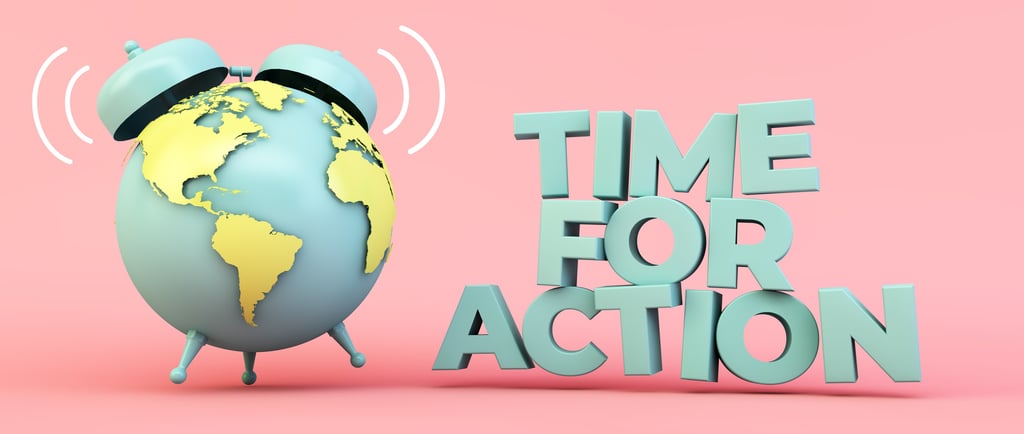
We often think of climate change in big-picture terms — rising seas, melting ice caps, polar bears. But the costs of a warming planet hit home in real ways: in our insurance premiums, grocery bills, energy costs, and even the value of our houses. In the United States, these costs have been climbing rapidly, reflecting a reality where climate change isn’t just an environmental issue — it’s a financial one.
Between 2018 and 2022, extreme weather and climate disasters cost Americans more than $617 billion (CNBC). In 2024 alone, the U.S. recorded at least 27 disasters — wildfires, floods, hurricanes, droughts, storms — each causing $1 billion-plus in damages. The total damage cost for 2024 was approximately $182.7 billion (Climate.gov). That means storms and disasters are no longer rare events but repeating patterns that affect entire communities.
But what does that mean for you specifically?
Why It Matters for Everyday Life
Home & Property — Value, Insurance, Risk
If you own a home — or plan to — climate change could significantly affect that investment. Extreme weather and rising disaster risk are pushing insurance premiums up, reducing coverage availability, and increasing the odds of unexpected damage. For many households across fire-prone or flood-prone areas, that means higher costs or even the risk of losing their homes (Financial Times).
Even if you don’t live in a “high-risk” area now, shifting climates, migration, changing infrastructure — and rising costs for building materials and insurance — mean homeownership is becoming riskier. For households moving or buying homes, it’s a factor worth serious attention.
Monthly Budget — Food, Energy, Goods
Climate change disrupts supply chains: heat waves and droughts affect farms, floods can damage logistics routes, and storms can disrupt production. That adds up quickly. According to recent analysis, younger Americans born in 2024 may face an additional ~$500,000 in lifetime costs due to climate change — including higher prices for food, energy, housing, and everyday goods (next10.org).
That same “climate-inflation” means your grocery bills may go up, air-conditioning and cooling costs may surge with more heat waves, and basic goods may become unpredictably pricey. It’s not just about sympathizing with far-off communities — it’s about budgeting, planning, and preparing now.
Unexpected Disasters — Savings, Income & Stability
When a wildfire, flood, or severe storm hits, many people face more than just physical damage — there’s lost income, repair costs, temporary relocation, and sometimes even job disruption. The U.S. Treasury warns that climate hazards like floods, wildfires, and extreme heat already impose “substantial financial costs” on households (CNBC).
For those without strong emergency savings, these events can be financially crippling. For others, even with savings, there’s emotional stress, lost time, and reduced quality of life.
A Few Numbers to Watch
Metric / Year What It Shows / Why It Matters
$617 billion (2018–2022) Total cost of weather & climate disasters over 5 years — equals major economic disruption across households nationwide (next10.org)
~$182.7 billion (2024) Annual disaster cost — one of the highest years on record (Climate.gov).
~$500,000Estimated lifetime additional cost due to climate change for someone born in 2024 (next10.org)
417+ disasters since 1980 Number of climate disasters in the U.S. each exceeding $1 billion — showing the scale and recurrence of expensive events (climatecentral.org).
What You Can Do Right Now — Personal Finance in a Changing Climate
Build and Maintain an Emergency Fund
Given how unpredictable extreme weather and disasters have become, having 3–6 months (or more) of living expenses saved is no longer optional — it’s critical. This fund isn’t just for job loss or health emergencies: it’s your buffer against floods, fires, or sudden displacement.
Factor Climate Risks into Big Purchases
Buying a home? Consider long-term climate risks: floods, wildfires, heatwaves, and potential increases in insurance costs. Evaluate insurance coverage carefully and consider property in lower-risk areas or properties built with resilience in mind.
Diversify Your Budget — Prepare for “Climate Inflation”
Expect fluctuations in food, energy, and goods prices. When possible, build flexibility into your monthly budget: grow a little buffer, reduce debt, and avoid locking in fixed expenses that could become harder to sustain.
Invest in Resilience — Home, Health, and Community Preparedness
If you own a home, consider measures like fire- or flood-resistant upgrades, energy-efficient cooling or insulation, and emergency supplies. On a broader level: build community awareness. If more people are prepared, the community as a whole is more resilient.
Advocate and Plan for the Long Term
Support policies and community initiatives focused on climate resilience, infrastructure, and sustainable practices. Not just for altruism — but because these efforts will directly affect insurance rates, tax burdens, energy costs, and quality of life for everyone.
✅ Final Thought: Ignoring Climate Costs Doesn’t Shelter You — It Changes the Price You Pay
Climate change isn’t just an environmental story — it’s a financial reality unfolding in real time. The disasters of today — wildfires, floods, storms — don’t just make headlines. They cost homeowners their homes, families their savings, and many people their peace of mind.
But that doesn’t mean we’re powerless. Building awareness, preparing financially, and making thoughtful personal and collective choices can make a difference. That emergency fund sitting in your bank? It might one day be what keeps your family afloat.
Because when the weather hits hard, it’s not just about surviving the storm — it’s about protecting your future.
Disclaimer: This blog may include AI-generated content derived from web crawling, and it features quotes from original-cited inline or public sources. The information presented is for general informational purposes only and may not reflect the most current data or information available. While we strive for accuracy, we encourage readers to verify the information from original sources or reach out to a certified financial adviser for important financial decisions.
Follow Finistack on social media
Have abundant mindset, add value to this beautiful world, and enjoy your life the way you envision.
We move fast, so things aren’t always perfect. Help us level up — Share your feedback.
© 2026 Finistack LLC. All rights reserved.
Terms of Use
Privacy Policy
Terms and Conditions
Contact Us
About Us