
The Fed Is Cutting Rates—So Why Is Your Credit Card APR Still Sky‑High?
Why Credit Card Interest Rates Stay High—and What You Can Do to Pay Less in 2026
Yuna Kim
1/24/20265 min read
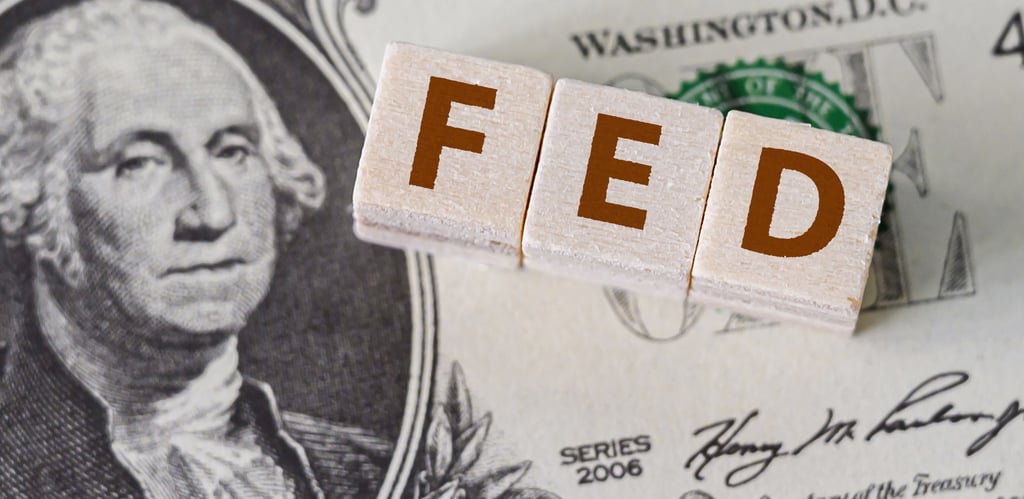
The Federal Reserve's most recent rate cut was on December 10, 2025, reducing the target rate by 25 basis points (0.25%) to 3.50%-3.75%, part of a series of cuts in late 2025 to manage inflation, with expectations for more cuts in 2026, possibly starting in June. The headlines made it sound simple. The Federal Reserve cut interest rates. Borrowing costs should go down. Consumers should get a break.
Then you checked your credit card statement and saw the same eye‑watering APR staring back at you.
If that disconnect feels maddening, you’re not wrong. Even after multiple Fed rate cuts in 2025, credit card interest rates remain stubbornly high. As of late 2025, Americans are carrying more than $1.2 trillion in credit card debt, and average card APRs are still hovering above 20%, according to data from the Federal Reserve Bank of New York and Bankrate.
So what gives? Why hasn’t the relief trickled down—and what can you actually do about it?
Why Fed Rate Cuts Don’t Translate to Lower Card APRs
The first thing to understand is that the federal funds rate isn’t your credit card rate. It’s the overnight rate banks charge each other to move money around. Credit card APRs are influenced by the Fed, but they’re not controlled by it.
Banks layer risk, profit margins, and consumer behavior on top—and that’s where things get sticky.
Risk Has Become the Dominant Factor
While inflation is no longer surging, lenders are facing a different problem: repayment stress. Credit card delinquency rates remain elevated compared to pre‑pandemic levels, and the restart of student loan collections in late 2025 has added new pressure to household budgets. From a bank’s perspective, this is not the environment to get generous.
Experts quoted by CNBC and Investopedia note that lenders respond to uncertainty by padding their margins. Even if funding costs dip, issuers often hold APRs steady to protect against future defaults. In short, rate cuts reduce their costs—but that doesn’t mean they rush to reduce your bill.
Credit Card Rates Are Personal, Not Universal
Another blunt reality: APRs are individualized. Two people with the same card can pay wildly different interest rates.
If your credit score dipped during the inflation years, or if you’re carrying a balance, your APR is more likely to stay high. Issuers tend to reserve the best rate reductions for new customers with pristine credit, using teaser offers to compete for low‑risk borrowers—while keeping existing cardholders on higher terms.
This is one reason average APRs barely budged after the Fed’s 2025 cuts. Issuers didn’t need to lower rates across the board, and financially, they had little incentive to.
Interest Is Where Issuers Make Their Money Now
There’s another under‑discussed reason credit card APRs are staying high. In 2024 and 2025, banks faced increased scrutiny over late fees and penalty charges. Some proposed rules would have sharply limited those fees, creating uncertainty around a reliable revenue stream.
So what did issuers lean on instead? Interest income.
According to industry analysts, this shift made APRs more important—not less—to issuer profitability. Lowering rates too quickly would cut into one of the most dependable income sources left.
Why This Hurts More Than It Used To
Carrying a balance today is heavier than it looks on paper.
Balances are higher than they were five years ago. Grace periods disappear the moment you don’t pay in full. New purchases begin accruing interest immediately. And with essential costs like housing, insurance, and groceries still elevated, even small balances linger longer than intended.
The result is silent erosion. Interest eats into cash flow every month, often without triggering the alarm bells that bigger expenses do.
The upside? There are levers you can still pull—even if the Fed does nothing else this year.
What You Can Do Right Now (That Actually Works)
Start with the simplest move: ask for a lower APR. This sounds almost laughably basic, but it works more often than people expect, especially if you’ve been paying on time and your credit profile hasn’t worsened. Issuers don’t advertise rate reductions, but retention departments have more flexibility than many customers realize.
If that doesn’t move the needle, the next lever is strategic balance transfers. A 0% offer isn’t a long‑term solution, but it can be a powerful reset if you treat it as a deadline rather than free breathing room. The key is restraint: avoid new purchases on that card and commit to aggressively paying down the transferred balance before the promotional window closes.
For those juggling multiple cards, prioritizing by interest rate—not by balance size—makes a real difference. Paying extra toward the highest‑APR card first reduces the total amount of interest you’ll pay over time, even if it doesn’t feel as emotionally satisfying as knocking out smaller balances.
Another overlooked tactic is separating usage from debt. Many people put new expenses on the same card they’re trying to pay down, unknowingly triggering immediate interest on every purchase. Using one card strictly for rewards (paid in full) and another strictly for payoff can stop balances from quietly growing.
In some cases, consolidating high‑interest debt into a fixed‑rate personal loan can help—especially if the rate is meaningfully lower and the loan term isn’t extended just to shrink the monthly payment. This only works if card spending stops, but when done intentionally, it can reduce interest leakage.
Finally, building even a small emergency buffer matters more than ever. Federal Reserve research consistently shows that households with just a few hundred dollars in accessible savings rely far less on credit during financial shocks. You don’t need perfection; you need friction between life and debt.
What to Expect in 2026—and Why You Shouldn’t Wait
Most economists expect additional gradual rate cuts in 2026. But nearly every forecast agrees on one thing: credit card APRs will fall slowly, unevenly, and mostly for borrowers who already have excellent credit.
Waiting for “relief” is expensive. Acting now—by renegotiating, restructuring, or simply isolating high‑interest debt—puts you ahead regardless of where rates go next.
The Bottom Line
The Fed cutting rates doesn’t mean your credit card company is about to do you a favor.
High APRs aren’t a temporary oversight. They reflect how risk, consumer behavior, and bank incentives collide in today’s economy. But stacked systems aren’t the same as fixed outcomes.
You can’t control monetary policy. You can control how much interest you agree to pay.
And in 2026, that distinction matters more than ever.
Disclaimer: This blog may include AI-generated content derived from web crawling, and it features quotes from original-cited inline or public sources. The information presented is for general informational purposes only and may not reflect the most current data or information available. While we strive for accuracy, we encourage readers to verify the information from original sources or reach out to a certified financial adviser for important financial decisions.
Follow Finistack on social media
Have abundant mindset, add value to this beautiful world, and enjoy your life the way you envision.
We move fast, so things aren’t always perfect. Help us level up — Share your feedback.
© 2026 Finistack LLC. All rights reserved.
Terms of Use
Privacy Policy
Terms and Conditions
Contact Us
About Us