
Should You Wait or Invest Now?
A slightly uncomfortable truth about timing the market in 2026
Yuna Kim
3/31/20265 min read
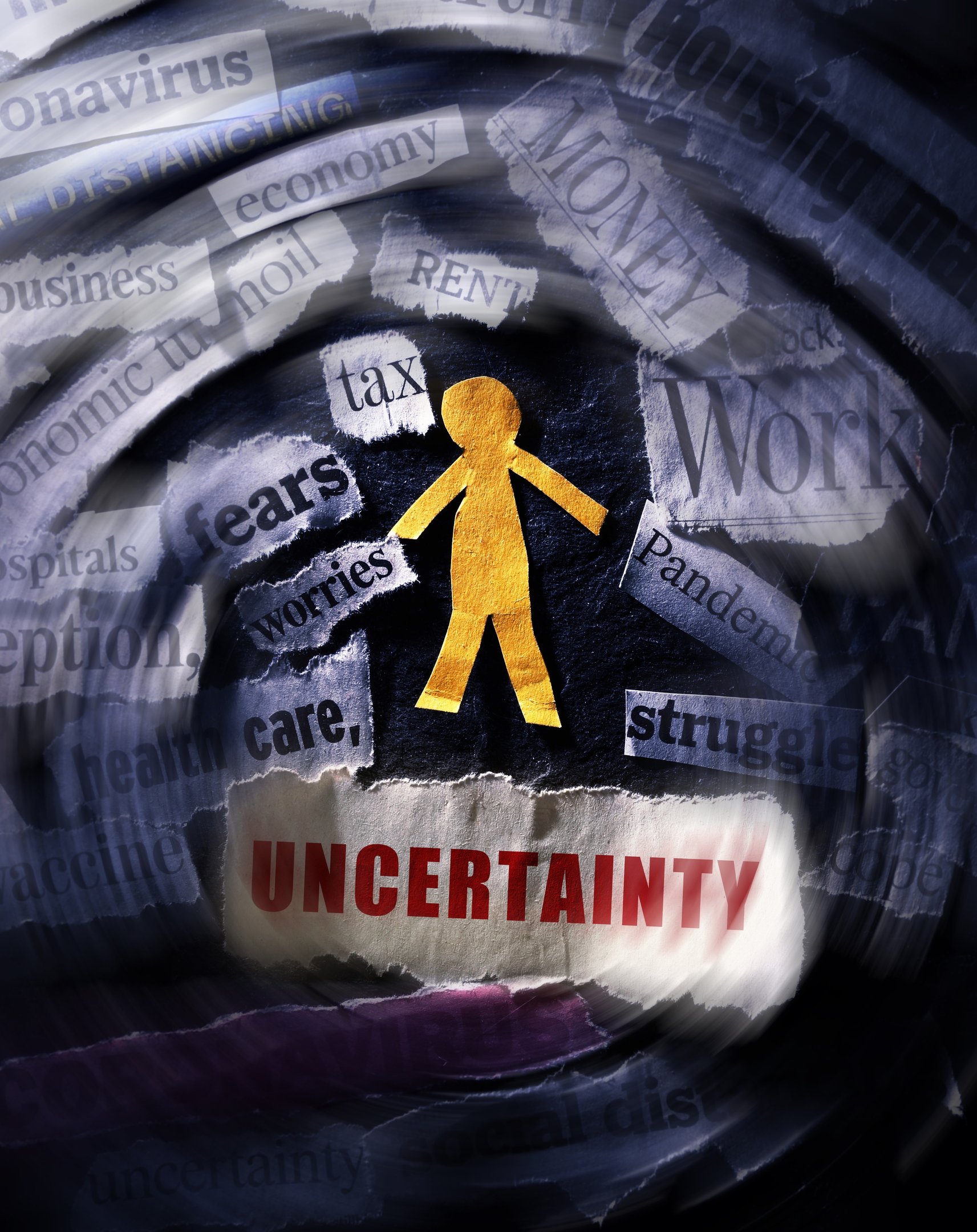
Right now feels like a terrible time to invest.
Mortgage rates have climbed back to around 6.5%, the highest in months. The stock market recently dipped into correction territory. Consumer confidence is sitting near multi-year lows. And quietly in the background, Americans are carrying over $1.27 trillion in credit card debt, the highest ever recorded.
So the question feels reasonable—even responsible:
Should you wait?
The Temptation to Wait
There’s a very human instinct at play here. When things feel uncertain, we pause. We delay. We tell ourselves we’re being cautious. In 2026, that instinct is amplified because everything looks… ambiguous.
Inflation was cooling, and now it might rise again due to energy shocks. The Federal Reserve paused interest rates, but markets aren’t convinced that’s the end of the story. Stocks have dipped, but not enough to feel like a clear buying opportunity. Nothing is obviously cheap, but nothing feels stable either.
When there’s no clear signal, people default to waiting. It feels like control. It feels disciplined. But it’s often neither.
The Problem: Clarity Is Expensive
Here’s the part most people don’t realize: the market charges a premium for certainty.
By the time things feel stable again—when headlines calm down, when confidence returns, when investing feels “safe”—prices are usually higher. The volatility that once made you nervous disappears, but so do some of the best entry points. You’re not avoiding risk; you’re paying more to feel comfortable.
Historically, markets tend to recover before the news does. Some of the strongest gains happen when sentiment is still negative, when uncertainty is still present, and when most people are still sitting on the sidelines waiting for clarity that hasn’t arrived yet.
2026 Reality Check: Doing Nothing Isn’t Neutral
This year adds another layer to the decision. It’s not just about whether markets go up or down. It’s about what happens if you don’t participate at all.
Inflation expectations are ticking back up, meaning cash is slowly losing purchasing power again. Credit card interest rates are hovering above 20% for many households, quietly compounding in the background. A large portion of Americans are carrying balances month to month, which means inaction can actually make their financial position worse over time.
This creates a strange dynamic. Waiting feels safe, but financially, it’s not neutral. It’s an active choice with consequences. Cash erodes slowly, debt grows quickly, and markets fluctuate somewhere in between.
Why “Waiting for the Right Time” Rarely Works
The idea of waiting assumes that a clearly better moment will present itself. In reality, that moment is almost impossible to identify in real time.
To get it right, you would need to recognize the bottom, feel confident enough to act when everyone else is still nervous, and move before the recovery becomes obvious. That’s not a simple decision—it’s precision timing under uncertainty. Even professional investors struggle to do this consistently.
More often than not, waiting turns into hesitation, and hesitation turns into missed opportunity. The market doesn’t send a clear invitation when it’s ready.
What Smart Investors Actually Do
Instead of trying to outguess the market, experienced investors tend to focus on something much simpler: they stay in motion.
They don’t try to invest all at once, and they don’t wait for perfect conditions. They move gradually, spreading their investments over time. Some of their decisions will inevitably be early, others late, but that’s part of the process. They accept imperfection because they understand that participation matters more than precision.
Their advantage isn’t that they predict better. It’s that they don’t stop.
The Middle Path
This isn’t about rushing into the market or ignoring risks. It’s about avoiding the extremes of doing everything or doing nothing.
A more practical approach is to move forward, but in a controlled way. That might mean investing smaller amounts consistently rather than committing a large sum all at once. It might mean keeping a cash buffer for flexibility while still putting money to work. It might mean adjusting over time instead of trying to get the decision perfectly right from the start.
This approach isn’t dramatic, and it won’t feel exciting. But it reflects how uncertainty actually works in the real world—gradual, ongoing, and rarely resolved in a single moment.
What to Consider When Taking the Middle Path
The idea of “move forward, but carefully” sounds simple. In practice, it requires a bit more thought. The goal isn’t just to act—it’s to act intentionally.
First, consider your time horizon. Money you’ll need in the next year or two shouldn’t be exposed to market swings. But money meant for five, ten, or twenty years down the line plays by a different set of rules. The longer your time horizon, the more room you have to absorb short-term volatility without it derailing your plans.
Next is your cash buffer. In uncertain times, liquidity matters. Having three to six months of essential expenses set aside isn’t just a textbook recommendation—it’s what allows you to invest without constantly worrying about needing to pull money out at the wrong time. Without that buffer, even a small market dip can feel like a crisis.
Then there’s debt, which often gets overlooked in investing conversations. If you’re carrying high-interest debt—especially credit cards in the 20% range—paying that down is effectively a guaranteed return. In a world where markets are uncertain, eliminating a known, compounding cost can be one of the most rational financial moves.
You’ll also want to think about your risk tolerance, not in theory but in reality. It’s easy to say you can handle volatility when markets are calm. It’s much harder when your portfolio drops and headlines turn negative. A good strategy isn’t just one that works on paper—it’s one you can stick with when things get uncomfortable.
Another factor is consistency of income. If your income is stable and predictable, you have more flexibility to invest regularly and ride out uncertainty. If your income is variable or at risk, it may make sense to lean slightly more conservative, at least in the short term.
Finally, consider your behavior under stress. This might be the most underrated factor of all. If market swings tend to make you anxious or reactive, a gradual approach—investing smaller amounts over time—can help smooth not just financial volatility, but emotional volatility as well.
A Better Question to Ask
Instead of asking whether now is the perfect time to invest, it’s more useful to ask what happens if you don’t invest for the next six to twelve months.
In today’s environment, that question has real weight. Cash may lose value. Opportunities may pass quietly. Financial anxiety may not go away—it may even increase as uncertainty drags on. Waiting doesn’t necessarily reduce risk; it often just delays exposure to it.
What feels like a pause can become a pattern.
Final Thought
Uncertainty in 2026 feels intense, but it’s not unusual. Markets have always operated under shifting conditions, conflicting signals, and imperfect information. The difference isn’t whether uncertainty exists—it’s how you respond to it.
Some people wait for clarity that may never fully arrive. Others build strategies that allow them to move forward anyway.
Over time, that difference compounds quietly. And when you zoom out far enough, the real question isn’t whether you picked the perfect moment.
It’s whether you chose to participate at all.
In the next article, we’ll move from “should you invest” to something far more practical: exactly how to invest in uncertain times—what to buy, how much, and how to structure it without second-guessing yourself every week. Subscribe to our social media to stay up-to-date when articles come out.
Disclaimer: This blog may include AI-generated content derived from web crawling, and it features quotes from original-cited inline or public sources. The information presented is for general informational purposes only and may not reflect the most current data or information available. While we strive for accuracy, we encourage readers to verify the information from original sources or reach out to a certified financial adviser for important financial decisions.
Follow Finistack on social media
Have abundant mindset, add value to this beautiful world, and enjoy your life the way you envision.
We move fast, so things aren’t always perfect. Help us level up — Share your feedback.
© 2026 Finistack LLC. All rights reserved.
Terms of Use
Privacy Policy
Terms and Conditions
Contact Us
About Us